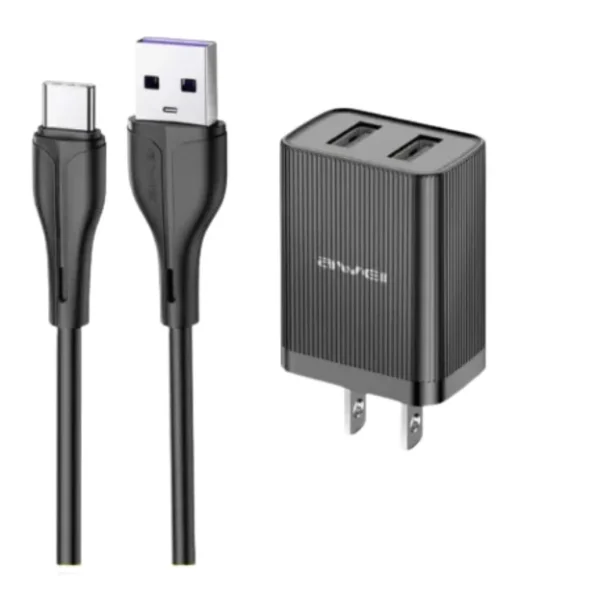
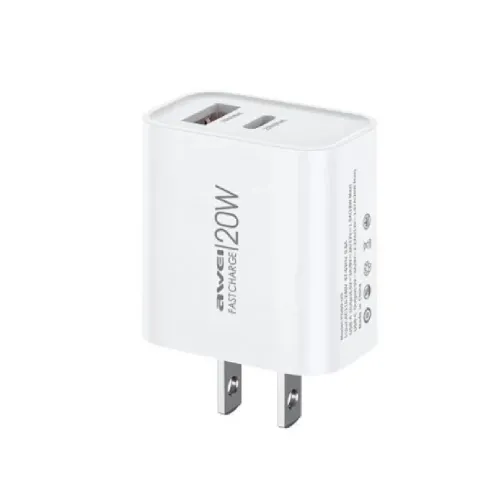
Chargers
Charger: Essential Power Solutions for Modern Electronic Devices
Fast charging technology delivers maximum power efficiently. Modern chargers adapt voltage and current automatically.
USB-C connectivity supports universal device compatibility. Reversible connectors eliminate orientation confusion completely.
Power delivery protocols negotiate optimal charging parameters. Intelligent systems prevent overheating and overcharging effectively.
Popular Charger Types
Wall adapters provide convenient home charging solutions. Compact designs save valuable outlet space.
Car chargers enable mobile device powering during travel. Cigarette lighter sockets accommodate universal adapters.
Wireless charging pads eliminate cable dependency entirely. Inductive technology transfers power through magnetic fields.
Key Performance Features
Output wattage determines charging speed capabilities. Higher wattage delivers faster charging performance.
Multiple port configurations charge several devices simultaneously. Family households benefit from multi-device support.
Safety certifications ensure reliable operation standards. UL, CE, and FCC approvals guarantee quality compliance.
Leading Brands and Models
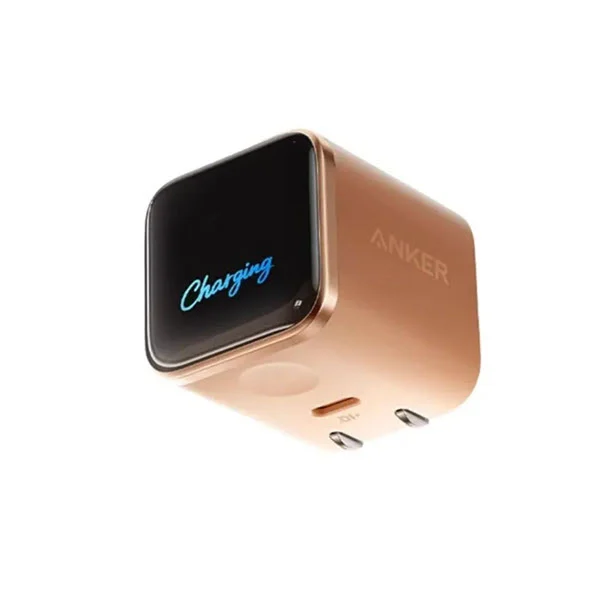
Anker PowerPort series offers exceptional charging efficiency. Smart charging technology identifies connected devices automatically.
Belkin BoostCharge provides premium build quality construction. Durable materials withstand regular usage effectively.
RAVPower chargers deliver consistent performance reliably. Affordable options maintain quality standards adequately.
Technical Specifications Comparison
Voltage output ranges from five to twenty volts typically. Higher voltages support fast charging protocols.
Current capacity measures amperage delivery effectively. Multiple amp ratings accommodate various device needs.
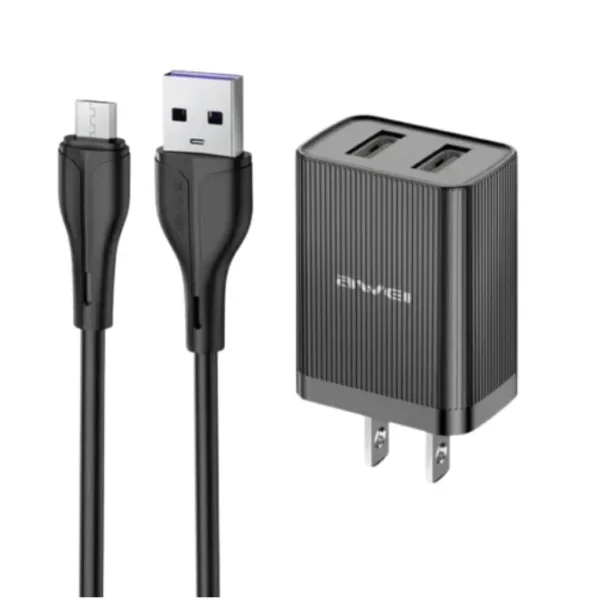
Port configurations include single, dual, and quad options. Simultaneous charging supports multiple device families.
Charging Speed and Efficiency
Quick charge technology reduces charging time significantly. Thirty minutes can deliver fifty percent battery life.
Intelligent charging algorithms optimize power delivery continuously. Device-specific protocols maximize efficiency levels.
Heat dissipation prevents thermal throttling effectively. Cooling systems maintain optimal operating temperatures.
Price Range and Value Analysis
Budget chargers cost under twenty dollars typically. Basic functionality satisfies simple charging requirements.
Mid-range options between thirty to sixty dollars offer enhanced features. Fast charging capabilities justify moderate costs.
Premium chargers exceed one hundred dollars for superior quality. Advanced safety features appeal to serious users.
Compatibility and Device Support
Universal compatibility works across smartphone brands effectively. Apple, Samsung, and Google devices charge seamlessly.
Laptop charging requires higher wattage specifications. USB-C Power Delivery supports notebook computers.
Tablet charging benefits from increased current delivery. Higher amperage prevents slow charging issues.
Safety and Protection Features
Overcurrent protection prevents device damage effectively. Excessive amperage triggers automatic shutdown mechanisms.
Temperature monitoring maintains safe operating conditions. Thermal sensors detect overheating situations promptly.
Short circuit prevention eliminates electrical hazards completely. Built-in fuses protect against power surges.
Troubleshooting Common Issues
Slow charging indicates incompatible cable or adapter. Original equipment often provides optimal performance.
Device not charging suggests port cleaning requirements. Debris removal restores proper electrical contact.
Overheating warnings require immediate charging cessation. Cool environments prevent thermal damage effectively.
Future Technology Developments
Wireless charging advances promise faster power transfer. Resonant induction improves efficiency significantly.
GaN technology reduces charger size dramatically. Gallium nitride semiconductors enhance power density.
Solar charging integration supports sustainable energy solutions. Renewable power sources reduce grid dependency.
Maintenance and Care Guidelines
Regular cleaning prevents dust buildup on ports. Compressed air removes debris effectively.
Proper storage protects electronic components consistently. Cool, dry locations prevent material degradation.
Avoid exposing chargers to extreme temperatures. Heat and moisture damage sensitive circuits.
Making Informed Purchase Decisions
Consider primary device charging requirements carefully. Smartphone, tablet, and laptop needs vary significantly.
Evaluate charging speed preferences realistically. Fast charging justifies higher investment costs.
Port configuration should match household device count. Multiple family members need simultaneous support.
Budget constraints determine available feature sets appropriately. Premium safety features often justify expenses.
Read customer reviews and professional testing results. Real-world performance data guides informed choices.
Compare warranty periods and customer support quality. Reliable after-sales service protects long-term investments.
Professional Recommendations
Electronics technicians recommend certified chargers exclusively. Safety approvals ensure reliable operation.
Tech reviewers highlight fast charging improvements consistently. Modern chargers exceed previous generation capabilities.
Consumer reports emphasize brand reputation significance. Established manufacturers provide consistent quality assurance.
Final Considerations
Chargers represent essential modern lifestyle accessories. Reliable power delivery supports daily device usage.
Quality construction ensures years of dependable service. Proper investment prevents frequent replacements.
Technology continues advancing with innovative features regularly. Future developments promise even better performance.