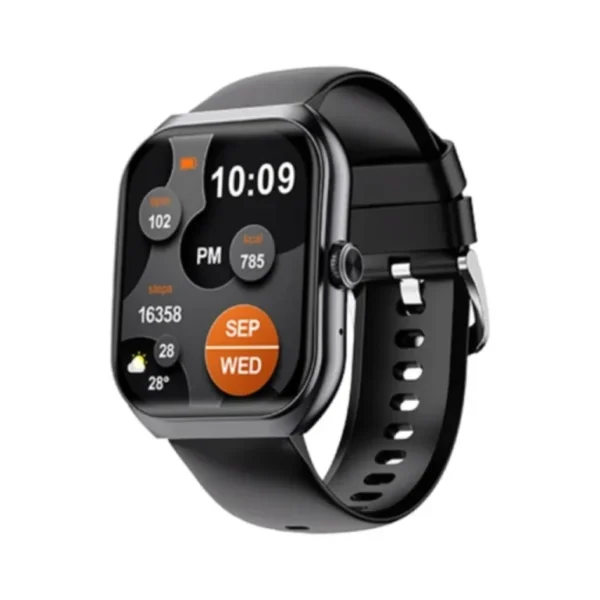
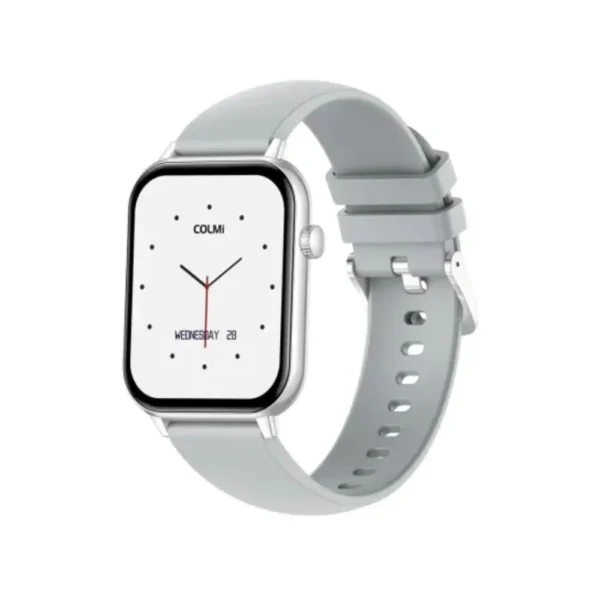
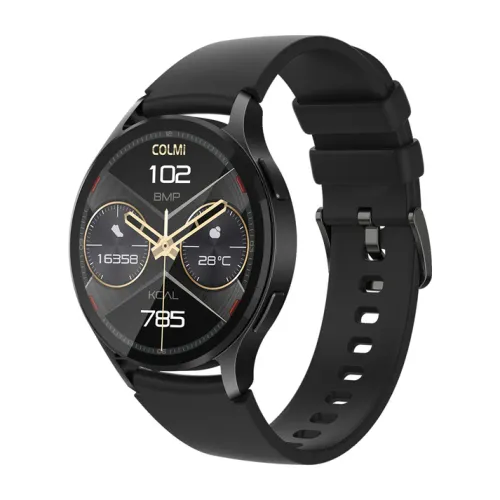
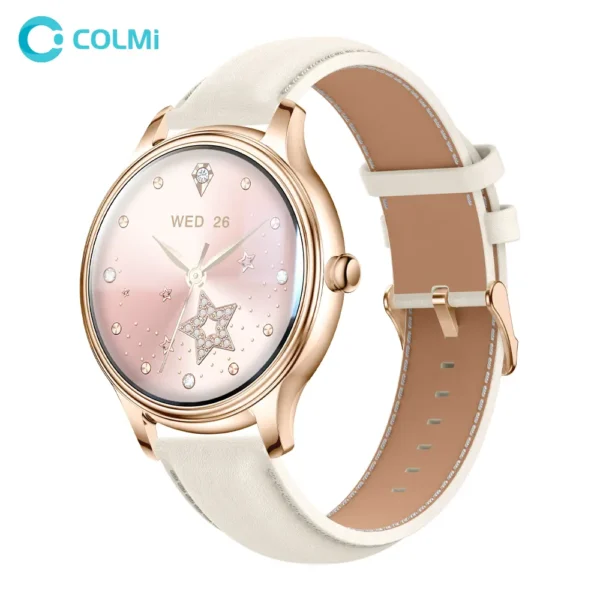
Smart Watches
Smart Watch: Revolutionary Wearable Technology for Modern Lifestyle Enhancement
Advanced processors handle complex applications seamlessly. Multi-core chips deliver desktop-level computing performance.
Wireless connectivity enables real-time data synchronization. Bluetooth, Wi-Fi, and cellular options provide flexibility.
Touchscreen displays offer intuitive user interface experiences. Gesture controls enhance navigation convenience significantly.
Popular Smart Watch Categories
Fitness-focused models monitor health metrics continuously. Heart rate, sleep, and activity tracking provide comprehensive data.
Communication devices support calls and messaging. Standalone cellular connectivity eliminates phone dependency.
Fashion-oriented designs emphasize aesthetic appeal. Stylish materials complement personal style preferences.
Key Performance Features
Battery life varies between one to seven days typically. Usage patterns affect charging frequency significantly.
Water resistance ratings exceed IP68 standards commonly. Swimming and showering become worry-free activities.
GPS tracking provides accurate location and mapping data. Outdoor activities benefit from precise navigation.
Leading Brands and Models
Apple Watch offers seamless iOS ecosystem integration. Premium materials ensure durable construction quality.
Samsung Galaxy Watch delivers exceptional Android compatibility. Rotating bezel enhances user interface navigation.
Garmin wearables provide professional-grade sports features. Athletes trust these reliable performance tools.
Technical Specifications Comparison
Display sizes range from one to two inches typically. Larger screens accommodate more information effectively.
Memory capacity varies between eight to thirty-two gigabytes. Storage supports apps, music, and health data.
Processor speeds determine application loading performance. Faster chips reduce lag and improve responsiveness.
Price Range and Value Analysis
Budget-friendly options start around one hundred dollars typically. Basic features satisfy casual smartwatch needs.
Mid-range devices cost Smart watches between two hundred to four hundred dollars. Enhanced performance justifies moderate investment costs.
Premium watches exceed five hundred dollars for superior quality. Advanced features appeal to serious users.
Health and Fitness Applications
Heart rate monitoring tracks cardiovascular Smart watches performance continuously. Real-time alerts warn of abnormal readings.
Sleep tracking analyzes rest quality and patterns. Insights improve nightly recovery and energy levels.
Workout recognition identifies exercise types automatically. Calorie calculations support fitness goal achievement.
Connectivity and Smart Features
Voice assistant integration supports hands-free control operations. Siri, Google Assistant, and Alexa function seamlessly.
Notification alerts keep users informed of messages. Call and text alerts reduce phone dependency.
Music storage enables wireless listening experiences. Bluetooth headphones pair effortlessly with devices.
Troubleshooting Common Issues
Connection drops require device pairing reset Smart watches procedures. Bluetooth settings should be refreshed regularly.
Battery drain often resolves with firmware updates. Manufacturers release regular software improvements.
Screen responsiveness issues suggest calibration needs. Proper settings restore optimal touch performance.
Future Technology Developments
Health monitoring advances promise Smart watches medical-grade accuracy. Blood pressure and glucose tracking become possible.
Artificial intelligence personalizes user experiences effectively. Machine learning adapts to individual behavior patterns.
5G connectivity enables faster data transmission. Enhanced networks support real-time applications.
Maintenance and Care Guidelines
Regular cleaning prevents dirt buildup on sensors. Soft cloth wiping maintains material quality over time.
Proper charging extends battery lifespan effectively. Avoid complete discharge cycles regularly.
Software updates ensure optimal performance consistently. Latest firmware provides security and feature enhancements.
Making Informed Purchase Decisions
Consider primary usage scenarios before selecting models. Fitness, communication, and style needs differ substantially.
Evaluate battery life for specific usage patterns. Heavy users demand longer power duration.
Compatibility should match existing device ecosystems. iOS and Android requirements vary significantly.
Budget constraints determine available feature sets realistically. Premium features often justify higher costs.
Read customer reviews and professional testing results. Real-world performance data guides informed decisions.
Compare warranty periods and customer support quality. Reliable after-sales service protects long-term investments.
Professional Recommendations
Fitness trainers recommend accurate health monitoring capabilities. Reliable sensors support effective workout planning.
Tech reviewers highlight processing power improvements consistently. Modern watches exceed previous generation capabilities.
Style consultants endorse fashionable design aesthetics. Premium materials enhance personal appearance significantly.
Final Considerations
Smart watches represent essential modern lifestyle technology. Comprehensive functionality enhances daily convenience.
Quality construction ensures years of reliable service. Proper investment prevents frequent replacements.
Technology continues advancing with innovative features regularly. Future developments promise even better performance.