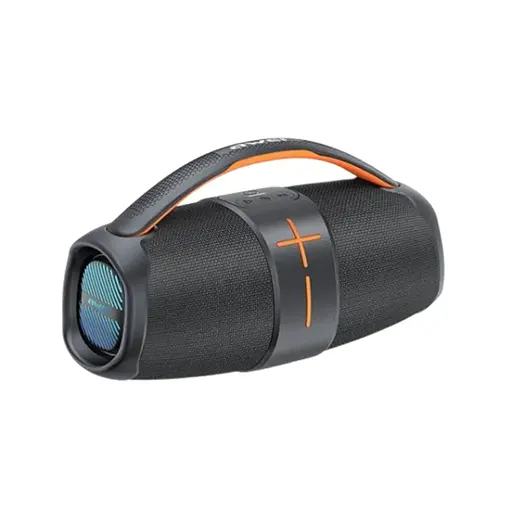
Speakers
Speakers: Essential Audio Equipment for Home Entertainment and Professional Applications
Driver components convert electrical signals into sound waves. Woofers, tweeters, and mid-range units handle specific frequencies.
Enclosure design affects sound quality significantly. Cabinet materials influence acoustic performance and resonance.
Power handling determines maximum volume capabilities. Higher wattage supports louder, clearer audio reproduction.
Popular Speaker Categories
Bookshelf speakers provide compact, high-quality audio solutions. Small footprints suit limited space environments.
Floor-standing models deliver powerful, room-filling sound. Tall cabinets Speakers accommodate larger driver arrays.
Soundbars offer simplified home theater audio experiences. Single-unit solutions enhance television sound effectively.
Key Performance Features
Frequency response indicates audible range accuracy. Wide spectrum coverage ensures complete sound reproduction.
Impedance ratings affect amplifier compatibility significantly. Lower ohms require more powerful amplification.
Sensitivity measurements show efficiency levels accurately. Higher sensitivity produces louder output with less power.
Leading Brands and Models
Sonos wireless speakers deliver exceptional streaming Speakers performance. Multi-room audio systems create seamless integration.
Bose SoundLink models provide portable Bluetooth connectivity. Premium materials ensure durable construction quality.
JBL Charge series offers affordable performance options. Reliable sound quality satisfies general consumer needs.
Technical Specifications Comparison
Driver size ranges from two to twelve inches typically. Larger drivers generally produce better bass response.
Power output varies between twenty to five hundred watts. Higher ratings support louder volume levels.
Connectivity options include wired, wireless, and hybrid solutions. Multiple inputs accommodate various source devices.
Price Range and Value Analysis
Budget-friendly options start around fifty dollars typically. Basic features satisfy casual listening requirements.
Mid-range speakers cost between two hundred to five hundred dollars. Enhanced performance justifies moderate investment costs.
Premium speakers exceed one thousand dollars for superior quality. Audiophile applications demand highest specifications.
Room Integration and Placement
Acoustic treatment enhances speaker performance Speakers significantly. Proper positioning optimizes soundstage imaging effectively.
Corner placement affects bass response characteristics. Room boundaries influence low-frequency reinforcement.
Height adjustment improves listening angle accuracy. Ear-level positioning ensures optimal sound delivery.
Specialized Applications
Home theater systems require dedicated surround speakers. Multi-channel setups create immersive audio environments.
Studio monitoring demands accurate sound reproduction. Professional applications need neutral frequency response.
Outdoor speakers withstand harsh Speakers environmental conditions. Weather-resistant construction ensures reliable operation.
Troubleshooting Common Issues
Distorted sound indicates power or impedance mismatch. Proper amplifier matching resolves most issues.
Weak bass response suggests incorrect placement positioning. Room corners enhance low-frequency performance.
One-sided audio points to connection problems. Cable inspection identifies faulty wiring immediately.
Future Technology Developments
Smart speaker integration combines audio with voice assistants. Artificial intelligence enhances user interaction significantly.
Wireless multi-room systems eliminate cable clutter. Mesh networking creates seamless audio distribution.
Digital signal processing optimizes sound automatically. Room correction algorithms adapt to acoustic environments.
Maintenance and Care Guidelines
Regular cleaning prevents dust buildup on drivers. Soft brushes remove debris without causing damage.
Proper storage protects electronic components consistently. Cool, dry locations prevent material degradation.
Avoid exposing speakers to extreme temperatures. Heat and moisture damage sensitive circuits.
Making Informed Purchase Decisions
Consider primary usage scenarios before selecting models. Home theater, music, and general applications differ substantially.
Evaluate room size for appropriate speaker power. Larger spaces require more capable systems.
Budget constraints determine available feature sets realistically. Premium performance often justifies higher costs.
Read customer reviews and professional testing results. Real-world performance data guides informed decisions.
Compare warranty periods and customer support quality. Reliable after-sales service protects long-term investments.
Professional Recommendations
Audio engineers recommend accurate frequency response specifications. Neutral sound reproduction supports critical listening.
Home theater enthusiasts endorse dedicated surround systems. Immersive audio enhances movie experiences significantly.
Music lovers appreciate wide dynamic range capabilities. High-fidelity reproduction satisfies discerning ears.
Final Considerations
Speakers represent essential audio investment for entertainment. Quality sound enhances daily listening experiences.
Proper selection ensures years of reliable performance. Matching equipment prevents compatibility issues.
Technology continues advancing with innovative features regularly. Future developments promise even better audio quality.